For centuries, the LGBTQIA+ community have had complex and challenging periods of persecution. Before the 15th century, though often on the fringe of society, many LGBTQIA+ individuals were visible, even revered and respected in some cultures; however, during the Middle Ages, many conventional religions, which were not only responsible for spiritual leadership but also often heavily influenced and even helped rule many countries, focused their attention on the community. The integration of church and state usually led to laws and societal treatment that became hostile toward the community, and many were persecuted. Living in fear and hiding from the militia and enforcers for centuries, the community existed, but in hiding and in secret.
Throughout the preceding centuries, small movements existed; however, more vocal advocacy began from the late 17th century, sparked by the Age of Enlightenment, also known as the Age of Reason. This intellectual and cultural movement emerged in Europe during the late 17th and 18th centuries. A movement which emphasised reason, science, individualism, and scepticism of traditional authority, including religious authority. This period saw a movement in which advocates began calling for the reform of laws, especially those that were designed to target the LGBTQIA+ community.
Progress was slowly being made in changing attitudes in the late 1920s and early 1930s; however, it was halted by the start of the Second World War. With the active persecution of the community during World War II in Nazi Germany, and the many LGBTQIA+ lives lost in concentration camps and at the hands of the regime, many countries began to reevaluate their laws in relation to the community. Though attitudes started to change, progress around the world was slow, and many community members were often subject to harassment and discrimination due to their sexuality or gender identity.
BIRTH OF THE MODERN MOVEMENT
The modern LGBTQIA+ movement was reignited by an event in New York City in 1969 that gained international attention and worldwide media coverage. The Stonewall Inn was a gay bar on 51-53 Christopher Street in New York City’s Greenwich Village. Police frequently raided the bar during a period when the community regularly faced discrimination, criminalisation, and social stigma. On June 22, the legendary American singer and actress, Judy Garland, sadly passed away. Judy lived in New York, was a regular at many venues across the city, and was an important icon to many members of the LGBTQIA+ community because of the struggles and challenges she faced.
Sad, following her death, in the early hours of the morning of June 28, police raided the Stonewall Inn; however, this time, patrons and bystanders, sad and frustrated, refused to disperse and began to fight back, throwing bottles and coins, and engaging in confrontations with police. The riots continued for several days, with protests, marches, and clashes with law enforcement. The riots received a lot of national and international news coverage, and today, the event is seen as the catalyst for the modern LGBTQIA+ rights movement. The activists, driven by the spirit of equality, began to form numerous advocacy organisations, such as the Gay Liberation Front and the Gay Activists Alliance, and to organise the first Pride march in 1970.
PRIDE CELEBRATION
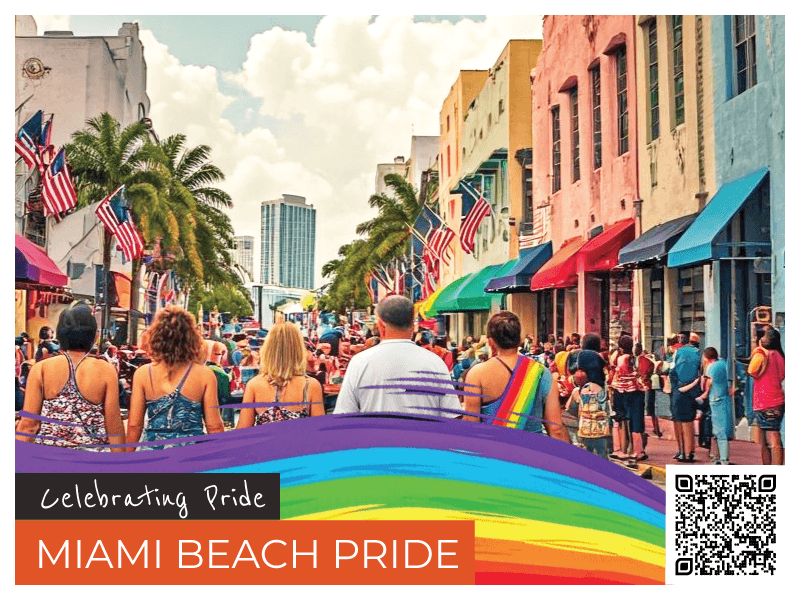
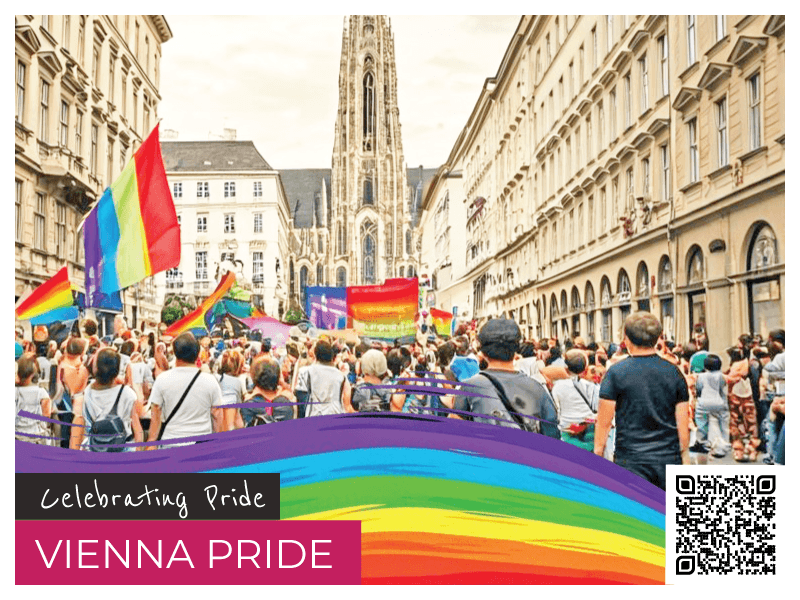
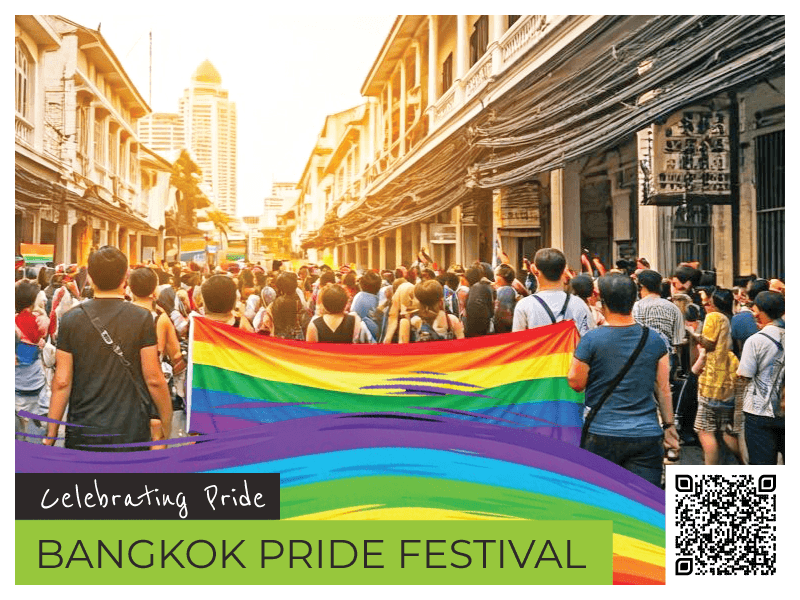
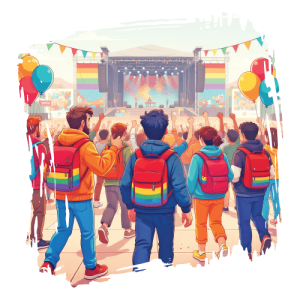
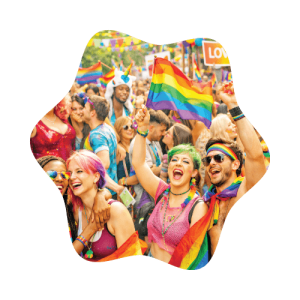
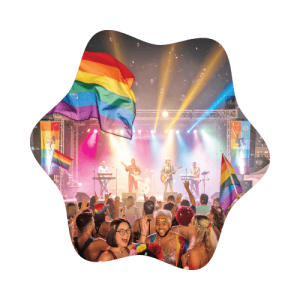
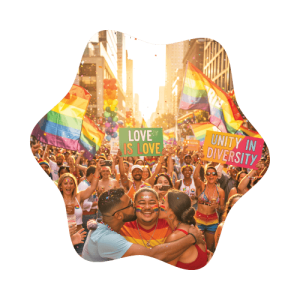
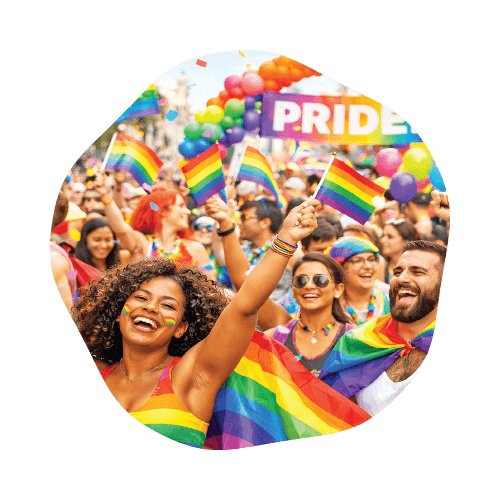
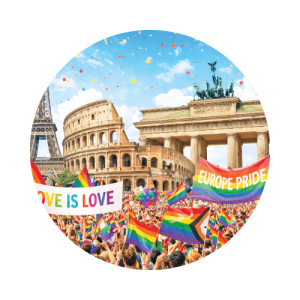
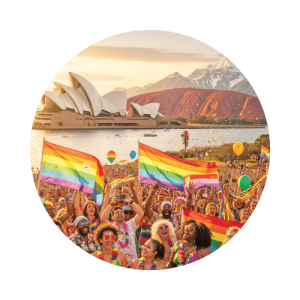
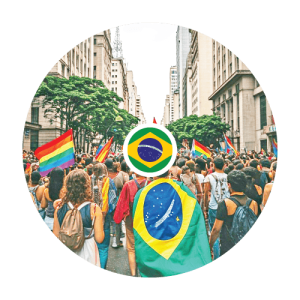
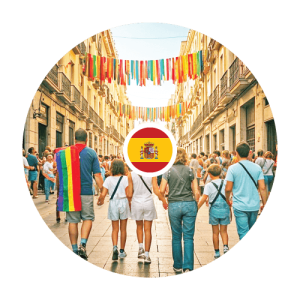
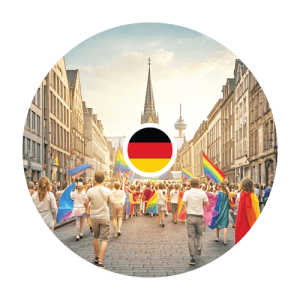
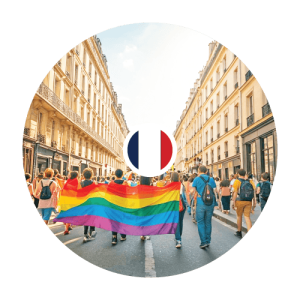
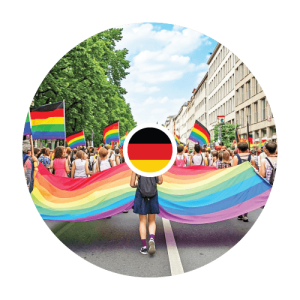
Marking the anniversary of the riots, a pride march was organised in 1970, sparking the tradition of annual pride celebrations that has spread to many countries around the world. The Pride march was created to symbolise resistance against oppression and the fight for equality and visibility. Over the years, with greater visibility and a shift in public attitudes, as well as increased activism for LGBTQIA+ rights, including the introduction of anti-discrimination laws, marriage equality, and social acceptance, Pride and its purpose have shifted.
In many countries around the world, Pride is much more than just advocacy and visibility; it is the coming together of a community, a show of support from friends, family, and allies, and a celebration of all the milestones and firsts the community has achieved. Pride marches also serve as a reminder that there is still much more to achieve to ensure everyone in the community is free of persecution and able to live and love as they choose. The fight for equality is never over, as hard-won achievements can be overturned by shifting political attitudes and movements.